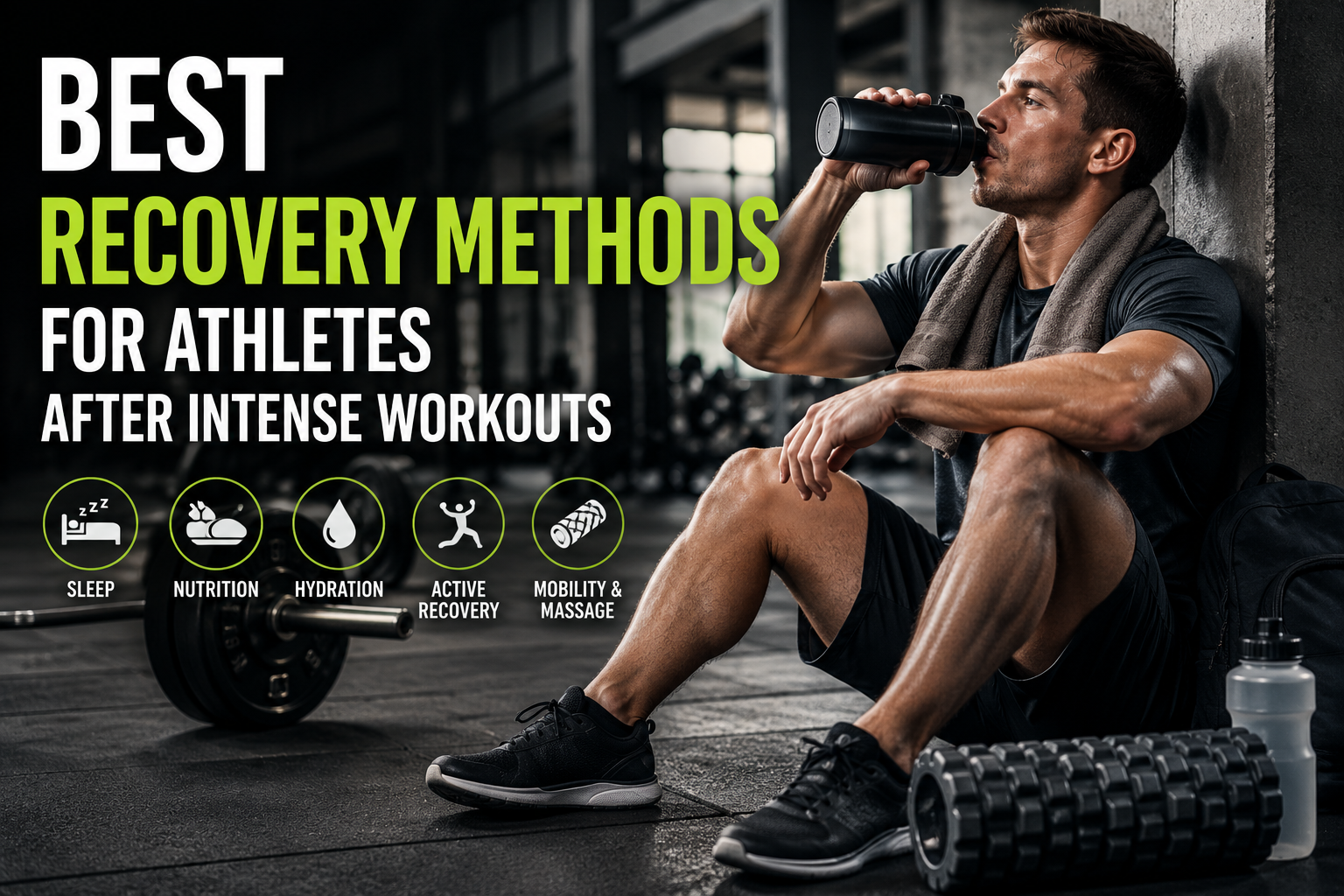
Best Recovery Methods for Athletes After Intense Workouts
Training hard is only half of the equation when it comes to athletic success. The other half is recovery. Whether you are a professional athlete, a weekend warrior, or someone who regularly exercises at the gym, proper recovery is essential for improving performance, reducing injury risk, and maintaining long-term health.
Many athletes focus heavily on training volume and intensity while overlooking the importance of recovery. However, muscles do not grow during workouts. They grow and adapt during the recovery process. Without adequate recovery, even the most effective training program can lead to fatigue, plateaued performance, and overtraining.
In this guide, we will explore the most effective recovery methods that can help athletes recover faster, perform better, and stay healthy throughout the year.
Why Recovery Matters
During intense exercise, the body experiences physical stress. Muscle fibers develop microscopic tears, glycogen stores become depleted, and the nervous system works harder than usual. Recovery allows the body to repair this damage and adapt to future training demands.
Benefits of proper recovery include:
- Reduced muscle soreness and stiffness
- Improved athletic performance
- Faster muscle repair and growth
- Lower risk of injuries
- Better energy levels
- Improved sleep quality
- Enhanced mental focus and motivation
Ignoring recovery can lead to chronic fatigue, decreased performance, and increased injury risk over time.
Prioritize Quality Sleep
Sleep is often considered the most powerful recovery tool available. During deep sleep, the body releases growth hormone, repairs damaged tissues, strengthens the immune system, and restores energy levels.
How Much Sleep Do Athletes Need?
Most athletes should aim for seven to nine hours of quality sleep per night. Elite athletes and individuals undergoing intense training may benefit from even more sleep.
Tips for Better Sleep
- Maintain a consistent sleep schedule
- Avoid screens before bedtime
- Keep the bedroom cool and dark
- Limit caffeine consumption in the evening
- Create a relaxing bedtime routine
Consistently getting enough sleep can significantly improve recovery, reaction time, and overall athletic performance.
Focus on Post-Workout Nutrition
Nutrition plays a major role in how quickly the body recovers after exercise. After a workout, muscles require nutrients to repair damage and replenish energy stores.
Protein for Muscle Repair
Protein provides amino acids that support muscle recovery and growth. Most athletes should consume 20–40 grams of high-quality protein shortly after training.
Good protein sources include:
- Chicken breast
- Fish
- Eggs
- Greek yogurt
- Protein shakes
- Lean beef
- Plant-based protein sources
Carbohydrates for Energy Restoration
Carbohydrates help replenish glycogen stores that become depleted during exercise. Combining protein with carbohydrates after a workout can accelerate recovery and improve performance in future training sessions.
Healthy carbohydrate options include rice, oats, potatoes, fruits, and whole grains.
Stay Properly Hydrated
Even mild dehydration can negatively affect athletic performance and recovery. Water is involved in countless physiological processes, including nutrient transport, temperature regulation, and muscle function.
During intense exercise, athletes lose fluids and electrolytes through sweat. Replacing these losses is essential for optimal recovery.
Hydration Tips
- Drink water consistently throughout the day
- Monitor urine color as a hydration indicator
- Replace fluids lost during training
- Consider electrolyte drinks during prolonged exercise sessions
A common guideline is to consume approximately 500–700 ml of fluid for every kilogram of body weight lost during exercise.
Use Active Recovery
Recovery does not always mean complete rest. Light physical activity can increase blood circulation, deliver nutrients to muscles, and reduce soreness.
Examples of Active Recovery
- Walking
- Easy cycling
- Swimming
- Yoga
- Mobility exercises
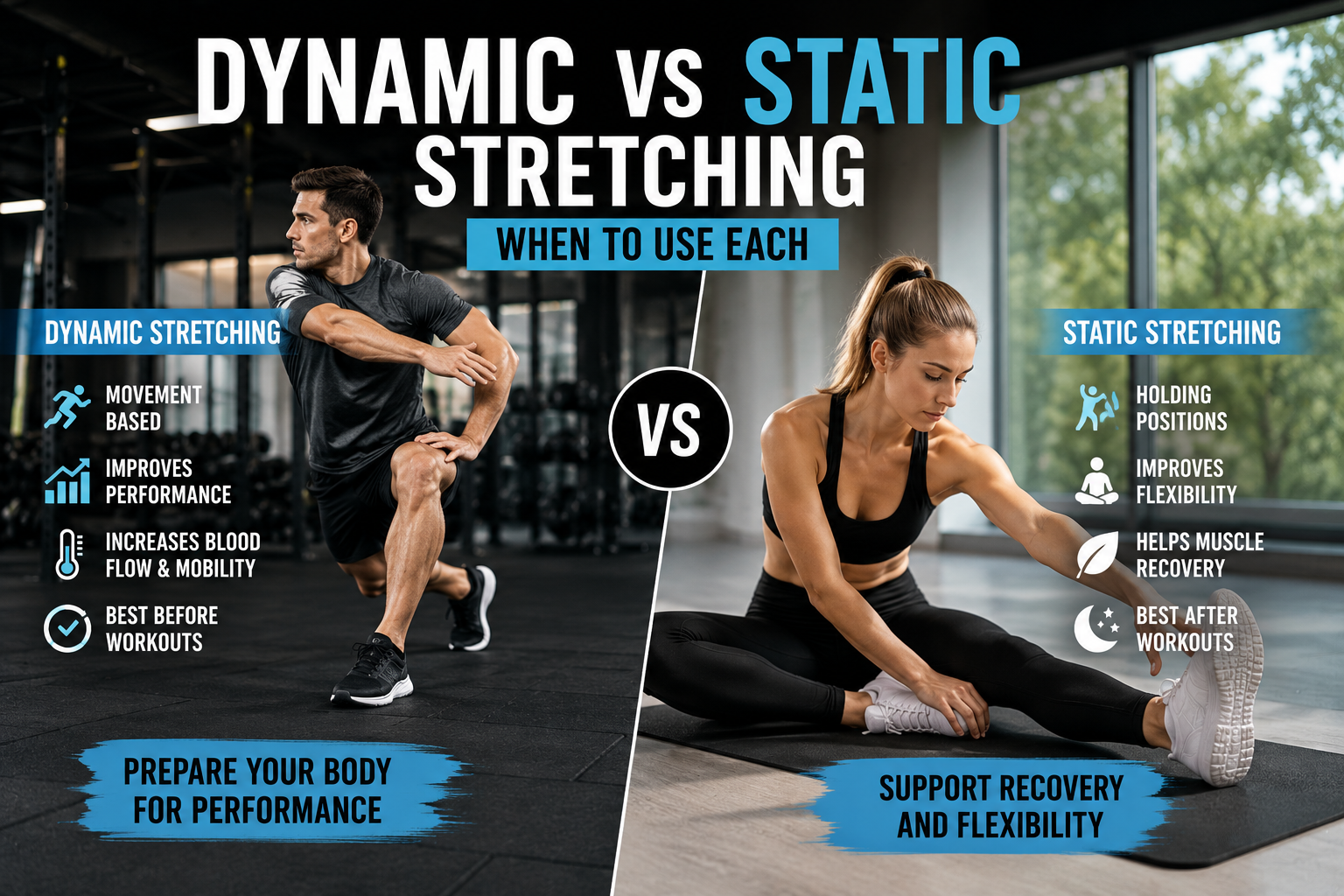
- Light stretching sessions
Active recovery is especially useful on rest days or after particularly demanding workouts.
Try Foam Rolling and Mobility Work
Foam rolling has become a popular recovery technique among athletes. It helps release muscle tension, improve mobility, and reduce feelings of stiffness after exercise.
While foam rolling may not directly speed up muscle healing, many athletes find that it improves comfort and movement quality during recovery periods.
Best Practices
- Roll major muscle groups for one to two minutes
- Focus on tight or sore areas
- Combine foam rolling with mobility exercises
- Avoid excessive pressure that causes pain
Regular mobility work can also improve flexibility and reduce injury risk over time.
Consider Cold and Contrast Therapy
Cold therapy, including ice baths and cold-water immersion, is widely used in sports recovery. Exposure to cold temperatures may help reduce inflammation and muscle soreness following intense exercise.
Some athletes also use contrast therapy, alternating between hot and cold water. This approach may improve circulation and promote recovery.
When to Use Cold Therapy
- After intense competitions
- Following high-volume training periods
- When managing muscle soreness
Cold therapy should be viewed as one recovery tool among many rather than a complete solution.
Manage Stress Levels
Recovery is not only physical. Mental stress can significantly impact the body’s ability to recover from training. High stress levels can interfere with sleep quality, hormone balance, and overall performance.
Strategies that support mental recovery include:
- Meditation
- Deep breathing exercises
- Spending time outdoors
- Relaxation techniques
- Maintaining healthy social connections
Athletes who manage stress effectively often recover faster and perform more consistently.
Listen to Your Body
One of the most important recovery principles is learning to recognize the body’s signals. Persistent fatigue, declining performance, poor sleep, and unusual soreness may indicate insufficient recovery.
Adjusting training intensity when necessary can prevent overtraining and reduce the likelihood of injury.
Recovery needs vary from person to person. Factors such as age, training volume, nutrition, sleep quality, and overall health all influence how quickly an athlete recovers.
Final Thoughts
Recovery is not a luxury—it is a critical component of athletic performance. Athletes who prioritize sleep, nutrition, hydration, mobility work, and stress management are more likely to achieve consistent progress and avoid setbacks.
The most effective recovery strategy is a combination of healthy habits practiced consistently over time. By making recovery a priority, athletes can train harder, perform better, and enjoy long-term success in their chosen sport.